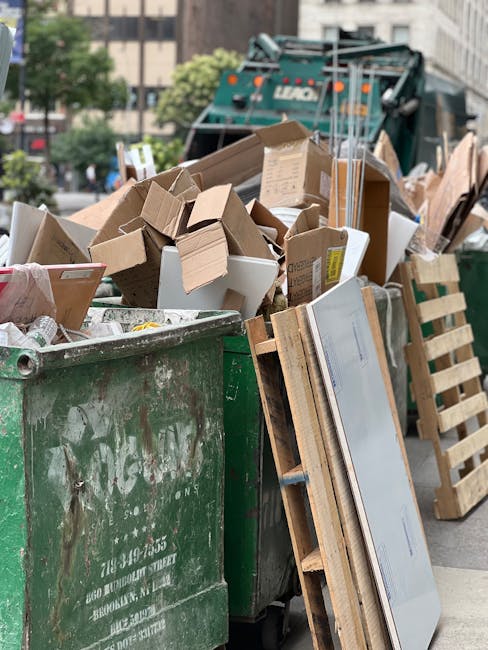
Baker Street bulky waste pickup options
Posted on 28/04/2026
Baker Street bulky waste pickup options: a practical local guide
If you live, work, or manage a property near Baker Street, bulky waste has a way of turning up at the worst possible moment. A broken sofa, an old mattress, boxes from a flat clear-out, or a pile of flat-pack leftovers can make a hallway feel instantly smaller. The good news is that Baker Street bulky waste pickup options are more flexible than many people expect, once you know how to choose the right route.
This guide breaks down the main pickup choices, how they work in real life, what to watch out for, and when a simple collection is better than trying to shift everything yourself. I'll keep it grounded and practical. No fluff, no mystery. Just the things that help you move bulky items safely, legally, and without wasting half a day staring at the curb.
For readers comparing wider property and cleaning services in the area, you may also find the services overview useful, especially if your waste pickup is part of a larger reset after a move, refit, or deep clean.

Why Baker Street bulky waste pickup options Matters
Bulky waste is not just "big rubbish". It usually means items that are awkward, heavy, difficult to break down, or unsuitable for a normal household bin collection. Think furniture, appliances, wardrobes, worn-out office chairs, old shelving, and sometimes mixed loads after a property refresh. Around Baker Street, that matters because buildings are often busy, access can be tight, and time windows can be narrow. One badly managed collection can block a shared entrance, upset neighbours, or create a mess that lingers longer than it should.
There is also a practical side. The right pickup option can save you repeated lifting, avoid damage to stairwells or lifts, and reduce the risk of leaving items outside for too long. In central London, that last point is not a small thing. Left-out items can attract fly-tipping, fines, or complaints. To be fair, nobody wants to see a sofa perched awkwardly near a doorway for three days because the "right time" never quite happened.
For landlords and managers, bulky waste decisions often connect to a bigger reset. A property getting prepared for new occupants may also need deeper cleaning, carpet care, or end-of-tenancy refresh work. That is why some readers pair waste removal planning with services like end-of-tenancy cleaning or house cleaning when they want everything handled in one coordinated sweep.
How Baker Street bulky waste pickup options Works
At a basic level, bulky waste pickup means arranging for large items to be removed from a property, a loading bay, or a designated collection point. The exact process depends on which route you choose, how much waste you have, and whether the items are reusable, recyclable, or simply ready for disposal.
Most people near Baker Street end up choosing one of four routes:
- Local authority collection for straightforward household bulky items.
- Private bulky waste collection for quicker, more flexible pickup.
- Same-day or timed man-and-van removal for urgent clear-outs.
- Reuse, donation, or resale first when items still have life left in them.
The workflow is usually simple: identify what needs removing, sort it into categories, check access, book a collection, and make sure everything is ready at the agreed point. The best operators will ask for photos or a clear item list. That is not them being fussy. It helps them send the right vehicle, enough crew, and the right moving equipment the first time.
If you are also thinking about how waste pickup fits into a bigger clean-up, the local Mayfair area guide gives a sense of the neighbourhood rhythm, which is useful when planning around concierge desks, residents' rules, or weekday access limits.
Key Benefits and Practical Advantages
The best bulky waste arrangement is not always the cheapest on paper. Often, it is the one that reduces disruption and gets the job done cleanly. Here are the main benefits people usually care about.
- Less physical strain: no dragging wardrobes down stairs by yourself.
- Faster turnaround: useful when a tenancy ends, a sale is completing, or trades need space.
- Better access management: ideal for shared entrances, basement flats, and managed blocks.
- Cleaner finish: fewer scraps, less damage, and less clutter left behind.
- More control: you choose the timing rather than waiting for a distant slot.
- Smarter sorting: recyclable or reusable items can be separated more easily.
There is also a peace-of-mind benefit that is hard to quantify. Once the old stuff is gone, the space feels different. Quieter, maybe. You can hear the room again. Slightly dramatic, yes, but anyone who has cleared a flat after a long tenancy will know what I mean.
For commercial settings, bulky waste pickup can also support business continuity. A small office near Baker Street may need old desks, broken filing cabinets, or surplus storage units removed before a refit. In that kind of situation, a service that understands office access and building etiquette is worth a lot. If that sounds familiar, the office cleaning in Mayfair page can be a useful nearby reference point for combined premises preparation.
Who This Is For and When It Makes Sense
Baker Street bulky waste pickup options are relevant to a fairly broad mix of people. The common thread is simple: you have items that are too large, too awkward, or too many for ordinary bin service.
This tends to include:
- Residents clearing a flat after a move, renovation, or furniture upgrade.
- Landlords dealing with left-behind items between tenancies.
- Estate agents and property managers preparing a property for viewings or handover.
- Small offices replacing broken furniture or removing redundant equipment.
- Letting tenants who need a quick, tidy exit with minimal stress.
- Families managing accumulated items after a long-overdue clear-out.
It makes sense when the items are bulky but not truly hazardous, when access is limited, or when speed matters more than doing everything in stages. It can also make sense if you are trying to coordinate other services at the same time, such as a one-off clean or deep clean. A property can look half-finished if the waste disappears but the dust and debris remain. That's the bit people notice.
When waste removal is part of a larger property refresh, some readers also review the relevant area services such as deep cleaning options for the area or spring cleaning support, especially after a move-out or before new furniture arrives.
Step-by-Step Guidance
Here is a straightforward way to handle a bulky waste pickup without overcomplicating it.
- List everything you want removed. Be specific. "One sofa bed, one mattress, two broken chairs" is better than "some old stuff".
- Separate bulky items from general rubbish. Mixed loads are usually easier to price once sorted.
- Check for reusable items. If something is still in decent condition, donation or resale may be more sensible.
- Measure access points. Doorways, stair turns, lift sizes, loading bays, and parking all matter.
- Choose the pickup route. Local collection, private removal, or a same-day team each suits different needs.
- Request a quote or collection slot. Share photos if possible; it avoids surprises later.
- Prepare the items. Empty drawers, remove loose parts, and keep the route clear.
- Confirm the collection point and timing. Especially in managed buildings, this prevents awkward delays.
- Check what happens after removal. Reuse, recycling, or disposal should be explained clearly.
A small but useful tip: if you are removing furniture from a flat, keep screws, remotes, and loose fittings in a labelled bag. Sounds obvious. Yet every week, someone forgets the leg bolts for a table or the power lead for an appliance, and then the item becomes a second job instead of a first-time clear.
For a simpler next step, you can request an estimate through the quote request form, or just speak to the team via the contact page if your situation is a bit unusual and needs a human check.
Expert Tips for Better Results
Here is where a little experience saves a lot of effort.
- Photograph items in good daylight. Dark stairwells and shadowy corners hide wear, size, and access issues.
- Be honest about weight. A bulky item that is also heavy may need two people, not one.
- Think in terms of volume. A single wardrobe can be more awkward than three smaller bags.
- Check building rules early. Some blocks require advance notice for collections or lift protection.
- Plan around peak traffic. Baker Street gets busy, and a ten-minute delay can snowball quickly.
- Group similar items together. Furniture, electricals, and mixed waste are often easier to process if separated.
- Ask about recycling routes. It is fair to want to know where usable material goes.
Practical takeaway: the best bulky waste pickup is rarely the one that looks simplest at first glance; it is the one that fits access, timing, and item type without creating a second round of hassle.
One more thing. If your property is being refreshed before photography or let, it can be worth lining up removal before any deep cleaning work. The room stays cleaner for longer, and the cleaner can reach edges and corners without stepping around old furniture. Simple, but it helps.

Common Mistakes to Avoid
Most bulky waste problems are avoidable. The same few mistakes come up again and again, and they tend to cost time rather than money, which is often worse.
- Leaving booking too late. Then the collection window clashes with work, travel, or building access.
- Misjudging the size of the load. A "small clear-out" can become a van-filling job fast.
- Assuming all bulky items are handled the same way. Mattresses, fridges, and mixed furniture may need different handling.
- Ignoring access restrictions. Parking, lifts, and narrow hallways are where plans often fall apart.
- Putting items out too early. This can create clutter, complaints, or weather damage.
- Not asking what is included in the quote. Disposal, labour, parking, and extra carry distance should be clear.
- Forgetting about load security. Loose items can shift during transit if they are not packed properly.
There is also the simple mistake of treating bulky waste like ordinary bagged rubbish. It is not. Big items behave differently, take more space, and usually need more care. That sounds obvious until you are halfway through a lift landing with a mattress wedged at an angle. Not ideal.
Tools, Resources and Recommendations
You do not need a warehouse of gear, but a few basics make pickup day much smoother.
- Tape measure: useful for door widths, lift sizes, and item dimensions.
- Phone camera: take clear photos for quotes and access checks.
- Marker pen and labels: good for separating keep, donate, and remove piles.
- Gloves: especially if items have sharp edges, dust, or broken fittings.
- Protective floor covers: helpful in communal corridors or polished entrances.
- Waste sorting bags or boxes: handy for dismantled smaller parts.
For a broader view of how a provider handles service quality and customer support, it is worth checking practical pages such as about the company, pricing and quotes, and the insurance and safety information. Those pages help you judge whether a service feels transparent and organised, which matters more than people sometimes admit.
If you are comparing several service providers, it can also help to read the local blog content for context. A neighbourhood article such as whether Mayfair is the right fit for you may seem unrelated at first, but it often gives a better feel for access, building type, and the sort of property layout you are likely dealing with.
Law, Compliance, Standards, or Best Practice
In the UK, waste handling is not something to take casually. You do not need to become a legal expert to arrange a bulky pickup, but you do need to use a responsible provider and avoid handing waste to someone who cannot prove they deal with it properly.
Good practice usually includes:
- using a waste carrier that can explain how items are transported and processed;
- keeping a basic record of what was removed, especially for commercial or managed properties;
- separating reusable, recyclable, and non-recyclable items where practical;
- avoiding unsafe disposal of electrical items, batteries, or potentially contaminated materials;
- making sure collections do not block pavements, entrances, or emergency access.
It is sensible to ask about compliance and licensing before booking. Reputable firms are usually happy to explain their process in plain English. If that reassurance matters to you, a page such as waste carrier licence and compliance can be a useful reference point when checking what a responsible service should be ready to discuss.
Safety matters too. Heavy lifting, awkward stairways, and damaged items can all create injury risks. If a collection team is working in a shared building, they should be mindful of residents, floor protection, and clear communication. That is just decent practice, really.
Options, Methods, or Comparison Table
Different pickup methods suit different situations. The table below gives a simple comparison so you can make a better call.
| Option | Best for | Pros | Trade-offs |
|---|---|---|---|
| Local authority bulky collection | Simple household items and non-urgent removals | Straightforward for residents; usually familiar and orderly | May involve waiting times, limited item rules, and less flexibility |
| Private bulky waste pickup | Mixed loads, tighter deadlines, awkward access | Flexible timing, tailored handling, often quicker | Varies by provider; always check what is included |
| Man-and-van removal | Small to medium clear-outs with same-day need | Fast, efficient, useful for flats and managed buildings | Needs accurate item descriptions and access details |
| Reuse or donation route | Items in good condition | Can reduce waste and support a more sustainable outcome | Not suitable for damaged or heavily worn items |
If your situation is mainly residential, private pickup often gives the best balance of convenience and speed. If it is a larger property job, you may want a service that can also coordinate clearance with cleaning or end-of-tenancy work. That keeps the process tidy, not piecemeal.
Case Study or Real-World Example
Here is a realistic example based on the sort of situation people often face near Baker Street.
A tenant moving out of a third-floor flat had a sofa bed, a broken dining chair, two storage units, and a mattress to remove. The building had a narrow entrance, a lift with strict usage rules, and limited parking outside. At first glance, it looked like a straightforward one-trip job. It wasn't. The sofa bed needed partial dismantling, and the mattress could only be moved cleanly once the hallway was cleared.
The useful part was the planning. The tenant photographed each item, checked the lift dimensions, and booked a timed collection rather than trying to "fit it in" around the workday. The team arrived with enough hands, protected the hallway edges, and removed everything in one visit. Then a quick surface clean followed, because furniture leaves behind dust in corners that somehow appears out of nowhere. Classic London flat behaviour.
The result was not dramatic, just satisfying. The flat felt larger, the handover went more smoothly, and the tenant avoided the kind of last-minute scramble that tends to happen when bulky items are left to the very end.
Practical Checklist
Use this before your pickup day. It saves stress, and a little stress is what we are trying to remove here, after all.
- Confirm exactly which items are going.
- Measure the largest item and the main access points.
- Check whether anything can be donated, sold, or reused.
- Take clear photos for quoting or booking.
- Ask about timing, parking, and building access rules.
- Remove small loose parts, cables, drawers, and shelves.
- Protect floors or walls if the route is tight.
- Keep pets, children, and residents clear of the work path.
- Clarify what happens to the items after collection.
- Plan any cleaning or room reset that follows the pickup.
And if you want a broader service conversation around property upkeep, the local Mayfair property investment guide and realty quick guide can be useful background reading for owners managing turnover, presentation, or refurbishment.
Conclusion
Baker Street bulky waste pickup options are best understood as a practical set of choices, not a one-size-fits-all service. If you have a single heavy item, a modest flat clearance, or an urgent turnround between tenants, the right collection method can make the whole job feel manageable. If you get the details right early - item type, access, timing, and who is handling the lift - the rest tends to fall into place.
That is really the main thing. Choose the route that matches your space, your deadline, and your tolerance for hassle. Sometimes the cheapest option is the most expensive in time and effort. Sometimes the fastest option is the calmest one. Bit of a balancing act, but a sensible one.
Get a free quote today and see how much you can save.
If you are planning a clear-out near Baker Street and want a straightforward next step, start with a quick quote request or a short message. It's often easier than you think, and a clean, uncluttered space has a way of making everything else feel lighter too.