W1 Marylebone postcode guide to household rubbish
Posted on 06/05/2026
If you live, work, or manage property in Marylebone, household rubbish has a habit of becoming urgent at the least convenient moment. A hallway starts filling up. A bin collection gets missed. A sofa needs shifting before new tenants arrive. And suddenly you need a clear, local answer, not vague advice copied from somewhere else.
This W1 Marylebone postcode guide to household rubbish walks you through what counts as household waste, how disposal usually works in central London, what to do with bulky items, and how to avoid the common mistakes that cause delays, extra costs, or an awkward mess on the pavement. It is written for real life in W1: flats, period conversions, basement storage rooms, busy streets, tight staircases, and the usual "we'll sort it tomorrow" jobs that somehow become urgent by Thursday morning.
Along the way, you'll find practical next steps, comparison points, compliance notes, and a few sensible checks that can save you time. If you want a wider view of the service side too, it can help to look at the services overview and the page on domestic waste collection in Marylebone for a more detailed local picture.
Quick takeaway: In Marylebone, household rubbish is easiest to handle when you separate regular waste, recycling, and bulky items early, then match the removal method to access, volume, and timing. Simple on paper. Much easier in practice if you plan it properly.
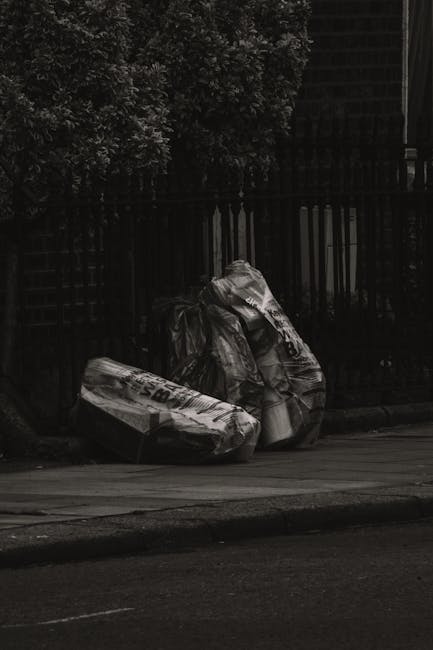
Why W1 Marylebone postcode guide to household rubbish Matters
Household rubbish in W1 is not just a bins-and-bags issue. It affects how a flat functions, how clean a building feels, how quickly a move can happen, and even how your neighbours experience the street. In Marylebone, where many homes are in mansion blocks, terraces, converted townhouses, and managed apartments, waste handling often needs a bit more thought than in a standard suburban setup.
Why does that matter? Because the wrong approach can create avoidable friction. Bags left in the wrong place attract complaints. A bulky item dumped "temporarily" can block a shared hallway. Overflowing rubbish can make a property harder to let, sell, or hand over. Truth be told, people usually notice waste more than they notice when it's done well. No one praises a tidy bin store. They do notice the smell if it is not.
There's also the practical side. Marylebone is busy, access can be awkward, and many households simply do not have space to store large items for long. If you are trying to clear a room, replace furniture, or manage mixed household waste after a move, you need a system that works quickly and lawfully. For larger or more awkward jobs, local services such as house clearance in Marylebone or furniture removal in Marylebone are often more practical than trying to improvise with several trips and a boot full of rubbish.
The postcode context matters too. A W1 address can mean different access realities from one street to the next. Ground-floor mews, upper-floor flats, and managed buildings all create different disposal constraints. So, a useful guide needs to be local, not generic.
How W1 Marylebone postcode guide to household rubbish Works
At its simplest, household rubbish disposal in Marylebone works by sorting waste into categories and choosing the right route for each one. That might mean your normal council collection, a scheduled private collection, a bulky waste service, or a specialist disposal for items like appliances and mattresses. The right choice depends on volume, item type, access, and how quickly you need the space back.
Here's the basic structure most households deal with:
- General household waste: everyday non-recyclable rubbish, typically bagged and kept in the right bins or collection points.
- Recyclables: items that should be separated where possible, such as cardboard, paper, tins, glass, and certain plastics, depending on the collection setup.
- Bulky household items: things like sofas, wardrobes, tables, beds, and white goods that do not belong in regular bins.
- Garden waste: if you have a small outdoor space, this needs its own handling and should not be mixed with ordinary rubbish.
- Leftover renovation waste: technically not household rubbish in the everyday sense, but it often appears during home clear-outs and needs a separate route.
For a small bagged load, a regular collection or a simple removal visit may be enough. For a flat clear-out, old appliances, or a post-tenancy reset, a more complete service can save time and hassle. You might also find the local appliance disposal service helpful if a fridge, washing machine, or dishwasher is part of the job.
What people often underestimate is access. In W1, the stairs are narrow, the parking is not generous, and the lift is sometimes just a memory of better times. A good disposal plan should therefore consider carrying distance, loading time, neighbour impact, and whether anything needs dismantling before removal. That's the stuff that turns a 20-minute clear-up into a two-hour one if you miss it.
Key Benefits and Practical Advantages
Using a proper local approach to household rubbish offers more than just a cleaner room. It makes the whole job calmer and more predictable. In a part of London where space is valuable, that matters a lot.
- Less clutter, faster: clearing rubbish properly frees up living space, storage rooms, and common areas quickly.
- Better hygiene: removing mixed waste, old food packaging, and damp items helps reduce odour and pest issues.
- Less stress during moves: a lot of Marylebone disposal jobs happen during tenancy changes, refurbishments, or before a sale.
- More suitable for local access: professional collection can handle stairs, side entrances, controlled access, and awkward parking better than a DIY approach.
- Cleaner presentation: if you're preparing a property for viewing or handover, a clear space just looks and feels better.
There's another benefit that gets overlooked: consistency. When you know what to do with each kind of waste, you stop creating little pile-ups around the home. One bag in the corner becomes three, then a broken chair appears, then the old fan is still there in six weeks. You know how it goes.
If sustainability matters to you, it is also worth checking how a provider handles sorting and recycling. A local operator with a focus on responsible disposal can often route reusable or recyclable materials more sensibly. For that, the page on recycling and sustainability is a useful place to understand the broader approach.
Who This Is For and When It Makes Sense
This guide is useful for a wide range of people in Marylebone, but the situations differ a little. Some readers only need a one-off solution. Others need a repeatable system because rubbish keeps turning up in the background of everyday life. That's normal, by the way. Homes generate mess. Life happens.
You'll especially find this useful if you are:
- Tenants dealing with end-of-tenancy waste, broken furniture, or a last-minute clear-out.
- Homeowners sorting attic, basement, or spare-room clutter.
- Landlords and letting agents who need a property reset between occupiers.
- Estate managers responsible for shared bin areas or resident fly-tipping issues.
- Busy professionals who simply do not have time to make multiple dump runs.
- People downsizing or moving, where every item suddenly has to earn its keep.
It also makes sense if the job feels too big for ordinary bin day but too small to become a full-scale project. That middle ground is where many households get stuck. Do you keep it for another week? Can it fit in the lift? Should you leave it for the council? Maybe. But if it's in the way now, and you need the room now, then the answer is usually to deal with it now.
For residents who want a broader service comparison before deciding, the pricing and quotes page is useful because it helps set expectations before you book anything.
Step-by-Step Guidance
If you want household rubbish in W1 to feel manageable, work through it in order. Not glamorous, but effective.
- Identify the waste type.
Separate general rubbish, recyclables, bulky items, and anything specialist such as electricals, paint, or garden cuttings. - Check what can stay with normal collections.
Small, bagged household waste may fit your regular routine. If it does, great. No need to overcomplicate it. - List the awkward items.
Note anything heavy, fragile, oversized, or difficult to carry. Sofas, wardrobes, white goods, and broken tables often need special handling. - Measure access, not just the item.
Can it fit through the hallway? Down the stairs? Into the lift? Around the corner near the front door? This is where many DIY plans fall apart. - Decide whether dismantling helps.
Sometimes removing a table leg or bed frame part makes the job much easier. Sometimes it just creates extra screws on the floor. Be selective. - Choose the disposal route.
Use council systems, private collection, or specialist removal depending on volume and item type. - Book at the right time.
If the rubbish is linked to a move, refurb, or end-of-tenancy deadline, schedule it with breathing room. Tight deadlines are stressful enough already. - Keep the items together.
Place everything in one accessible location if possible, so the load-out is quicker and less disruptive. - Confirm what happens after collection.
Ask how items are sorted, where they go, and whether anything is handled through recycling streams. Responsible disposal is worth checking, not assuming.
A small but useful detail: if you're arranging a clearance in a building with managed access, tell the provider early. Concierge rules, loading restrictions, and quiet hours can matter more than people expect.
Expert Tips for Better Results
In our experience, the best rubbish clearances are the ones that are prepared a bit before the van arrives. Not obsessively. Just sensibly.
- Group similar items together. Put all books, all cardboard, or all small loose waste in one zone. It makes sorting faster on arrival.
- Protect communal areas. If you live in a block, lay down something protective for the route if needed, especially on wet days.
- Keep hazardous-looking items separate. Old chemicals, sharps, batteries, and certain electricals may need special treatment. Don't mix them into general rubbish.
- Photograph the load before booking. A few clear pictures help avoid misunderstandings and speed up quotes.
- Tell the truth about volume. A "small pile" that becomes a van-full is annoying for everyone. Better to be accurate from the start.
- Plan around London traffic. Early morning can sometimes be smoother than mid-afternoon. Sometimes. London being London, of course, that is not guaranteed.
One local observation: in Marylebone, a tidy and discreet collection matters. Streets are active, residents are often close by, and no one wants waste hanging around any longer than necessary. Quick loading, minimal noise, and good communication go a long way.
If you want reassurance on who is handling the job and how, it may help to review the company's about us page and the page covering insurance and safety. Those are often the pages people skip until they really need them. Then they read every line.
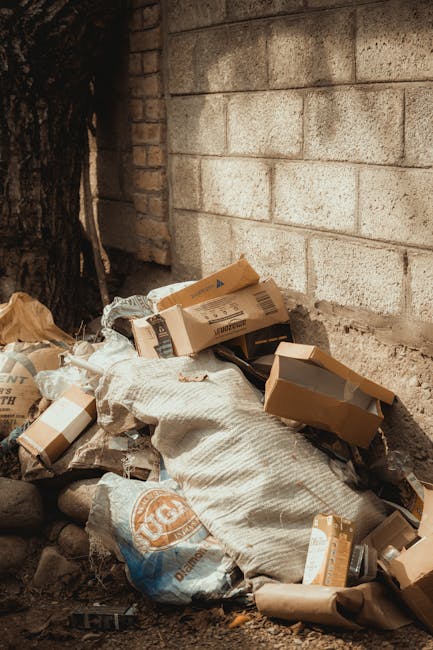
Common Mistakes to Avoid
Most waste problems in Marylebone are not dramatic. They are small avoidable mistakes that pile up, literally.
- Leaving bags in the wrong place. Shared hallways, front steps, and entrances are not temporary storerooms.
- Mixing rubbish types. This makes recycling harder and can create disposal issues for the collector.
- Underestimating bulky items. A sofa always looks easier from a distance. Until you try to turn it on the landing.
- Forgetting building rules. Some blocks have strict access windows, loading arrangements, or disposal instructions.
- Booking too late. A rushed collection can cost more stress than it saves time.
- Choosing a provider without checking compliance. Waste should be handled by a proper operator with the right standards in place.
Another subtle mistake is assuming every item can simply be left out with the rest. That is rarely true. White goods, mattresses, large furniture, and certain mixed loads often need individual attention. If you're dealing with a lot of household waste at once, a specialist house clearance service is often a cleaner solution than splitting the job into several improvised runs.
Tools, Resources and Recommendations
You do not need a toolkit the size of a builder's van to handle household rubbish well. A few simple things make the process smoother.
- Strong bin bags: useful for loose mixed waste, but don't overfill them.
- Labels or marker pens: handy if you are separating recycling, donations, and rubbish.
- Gloves: basic protection for handling dusty, sharp, or grimy items.
- Measuring tape: useful for checking whether furniture will pass through the route.
- Phone photos: excellent for getting an accurate quote and keeping things clear.
- Cardboard boxes or tubs: useful for corralling loose household bits before collection.
For more strategic planning, the most helpful resources are usually the company's own service pages and policy pages. Start with services overview, then check waste carrier licence and compliance if you want to understand the operator side, and read recycling and sustainability if responsible disposal matters to you.
There's a practical reason for this. When you know how the service is structured, you can choose the right option without guessing. And guessing, in rubbish removal, usually means paying for the wrong thing or wasting half a morning.
Law, Compliance, Standards, or Best Practice
Household rubbish disposal sits within a wider UK framework of waste handling, duty of care, and responsible transfer. You do not need to become an expert in environmental law to manage your home waste, but it does help to understand the basics.
Best practice usually means:
- Using a reputable waste carrier who can show they operate compliantly.
- Separating hazardous or restricted items instead of hiding them in a mixed load.
- Avoiding fly-tipping or leaving waste where it could be treated as abandoned.
- Keeping records if relevant, especially for landlords, agents, and property managers.
- Checking insurance and safety arrangements for heavier or awkward collections.
This matters because once waste leaves your property, you still want confidence that it is handled properly. That's especially true for landlords and managing agents, but it applies to households too. A cheap, vague disposal option can become an expensive headache if the load is handled badly or dumped irresponsibly.
For peace of mind, it is sensible to review the company's compliance information, plus the terms and conditions and privacy policy when you are arranging a quote online. Slightly boring? Yes. Useful? Absolutely.
Options, Methods, or Comparison Table
There is no single best way to deal with household rubbish in Marylebone. The right method depends on urgency, size, and how much heavy lifting you want to do yourself. Here is a simple comparison to help.
| Method | Best for | Pros | Watch-outs |
|---|---|---|---|
| Regular household collection | Small bagged everyday waste | Simple, familiar, usually the least disruptive | Not suitable for bulky items or excess waste |
| DIY disposal run | Small loads and people with time, transport, and lifting ability | Direct control, may suit occasional clear-outs | Parking, loading, access, and disposal-site rules can be awkward |
| Private domestic waste collection | Household rubbish, mixed loads, and one-off clearances | Fast, convenient, better for awkward access | Needs clear volume estimates and proper provider checks |
| Furniture or appliance removal | Sofas, wardrobes, beds, fridges, washing machines | Handles heavy and awkward items cleanly | Some items need special handling or dismantling |
| Full house clearance | Moves, bereavement clear-outs, end-of-tenancy resets, cluttered properties | Comprehensive and efficient | May be more than you need for a small job |
If your job leans toward furniture, the dedicated furniture removal page is a sensible next read. If it's appliance-heavy, look at white goods and appliance disposal. That way you can match the service to the actual waste instead of forcing the waste to fit the service. Sounds obvious. People still do the opposite all the time.
Case Study or Real-World Example
Consider a fairly typical Marylebone scenario. A two-bedroom flat near Baker Street is being prepared for new tenants. The current occupier has already taken most belongings, but there are still a broken bed frame, a sagging armchair, a table with chipped legs, several black bags of mixed household rubbish, and an old washing machine sitting in the kitchen like it has every right to be there.
The property manager could try to sort the waste into separate trips, but that would mean booking time off, moving items through a narrow stairwell, finding somewhere to leave the appliance, and arranging a second pass for the remaining bags. Instead, the sensible choice is a combined domestic collection with separate handling for the appliance and furniture. The heavier items are taken in one organised visit, the flat is left clear, and the handover can proceed without last-minute drama.
That's the real value here. Not just removal, but flow. In central London, anything that reduces friction is worth a lot. Especially when keys are changing hands, carpets are being cleaned, or the next person is due at 10 a.m. and already asking questions.
For readers interested in local life and property movement in the area, some of the related background pieces such as acquiring and offloading Marylebone properties and Marylebone real estate insights provide useful context around why clear, presentable homes matter so much here.
Practical Checklist
Use this quick checklist before you arrange household rubbish removal in W1:
- Identify what needs removing and sort it into waste types.
- Separate everyday rubbish from bulky items and appliances.
- Check access routes: stairs, lift, hallway width, parking, loading point.
- Take photos of the load if you need a quote.
- Confirm whether anything needs dismantling.
- Ask whether the provider handles recycling and responsible disposal.
- Review insurance, safety, and compliance information.
- Make sure the collection time works with building rules and neighbours.
- Keep items together in one accessible location if possible.
- Leave nothing hazardous or questionable mixed into general rubbish.
A small bit of preparation goes a long way. Honestly, it's one of those jobs where ten minutes of sorting can save an hour of grief.
Conclusion
Household rubbish in Marylebone is rarely about rubbish alone. It is about space, timing, access, and keeping life moving without turning the home into a storage depot. If you understand the difference between everyday waste, bulky items, recyclables, and specialist loads, the rest becomes much easier to manage.
The smartest approach is usually the one that fits your actual situation: a regular collection for small loads, a dedicated domestic service for mixed household waste, and specialist removal for furniture or appliances. Add in a quick check on compliance, safety, and sustainability, and you have a solution that is practical as well as tidy.
If you are planning a clearance, preparing a property, or just tired of living around old bags and awkward items, the next step is simple: choose the right service, get a clear quote, and let someone handle the heavy lifting properly. It really can make the place feel lighter. A bit quieter too.
Get a free quote today and see how much you can save.
And if you're still weighing up the best route, that's fine. A good rubbish plan is not about rushing; it's about making one clean decision that gives you your space back.